

If there's one thing guaranteed to survive a Surrey summer drought, it's gardening advice.
With the hosepipe ban now in force across much of Surrey and Hampshire, everyone suddenly seems to have become "The M Don." One neighbour insists you shouldn't water anything. Another claims everything will die by next Tuesday... unless they sneak out in the dead of night with the 'tap extension'. Meanwhile, someone's guarding their water butt like it was the last pack of loo rolls in the country, while another has discovered a miraculous homemade tonic made from seaweed, tea bags and the final secret ingredient... unsold England World Cup merchandise.
So, who's right?
As ever in gardening... it depends.
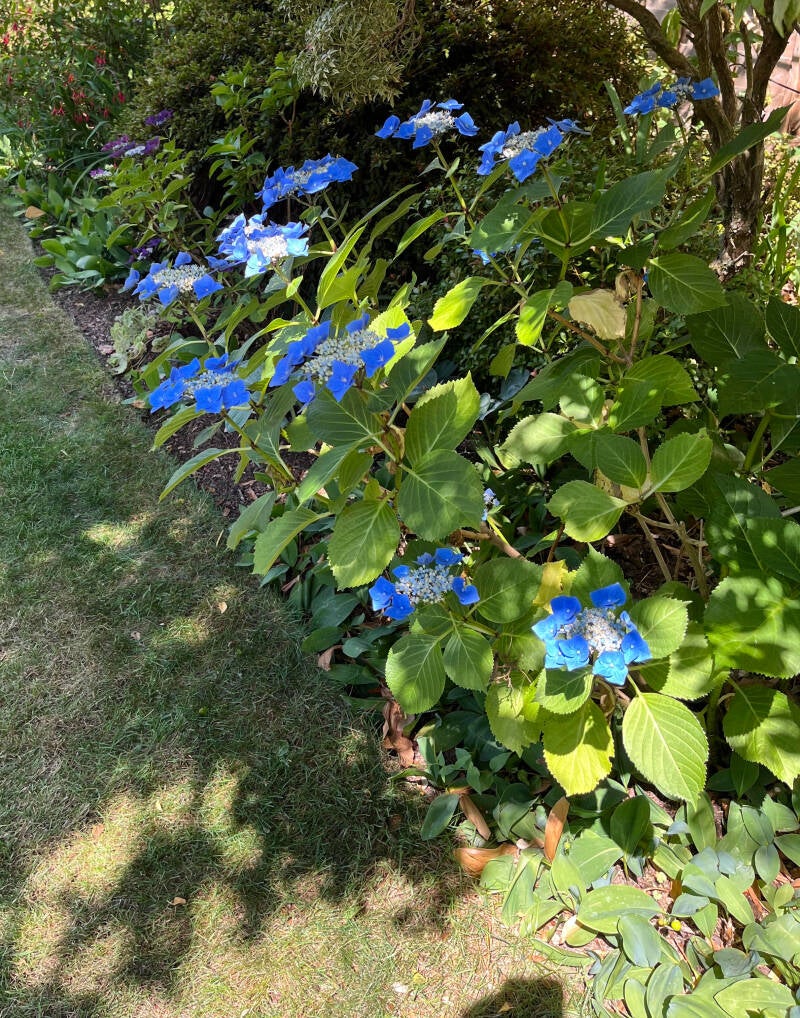
The truth is that plants don't read gardening books. A newly planted shrub has very different needs from a mature oak. A vegetable patch demands far more attention than established borders, while pots can dry out faster than a politician's promise.
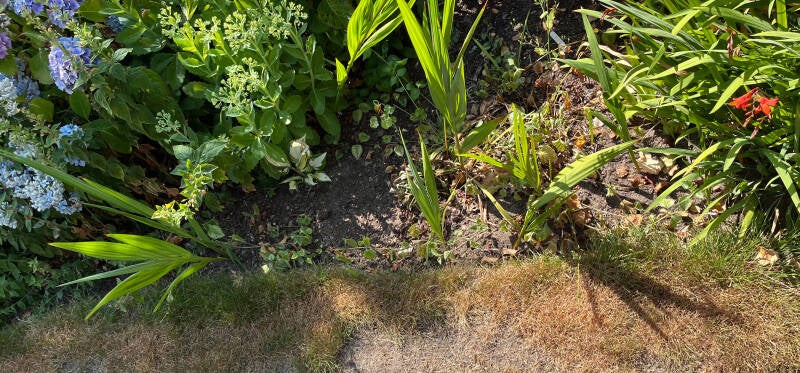
Established trees, shrubs and lawns are remarkably resilient. They've evolved to cope with dry spells long before hosepipes were invented. A brown lawn isn't necessarily a dead lawn – think of it as taking a summer holiday. With a decent spell of rain, it will usually bounce back surprisingly well.
The golden rule, where watering is permitted, is to water deeply rather than frequently. A thorough soak encourages roots to grow down in search of moisture, making plants stronger in the long run. A daily sprinkle often wets little more than the surface and encourages lazy roots. During the current restrictions, watering cans and stored rainwater remain your best friends. If you're growing food, however, there are exemptions where a watering can simply isn't a practical solution, so it's always worth checking the rules before assuming the worst.
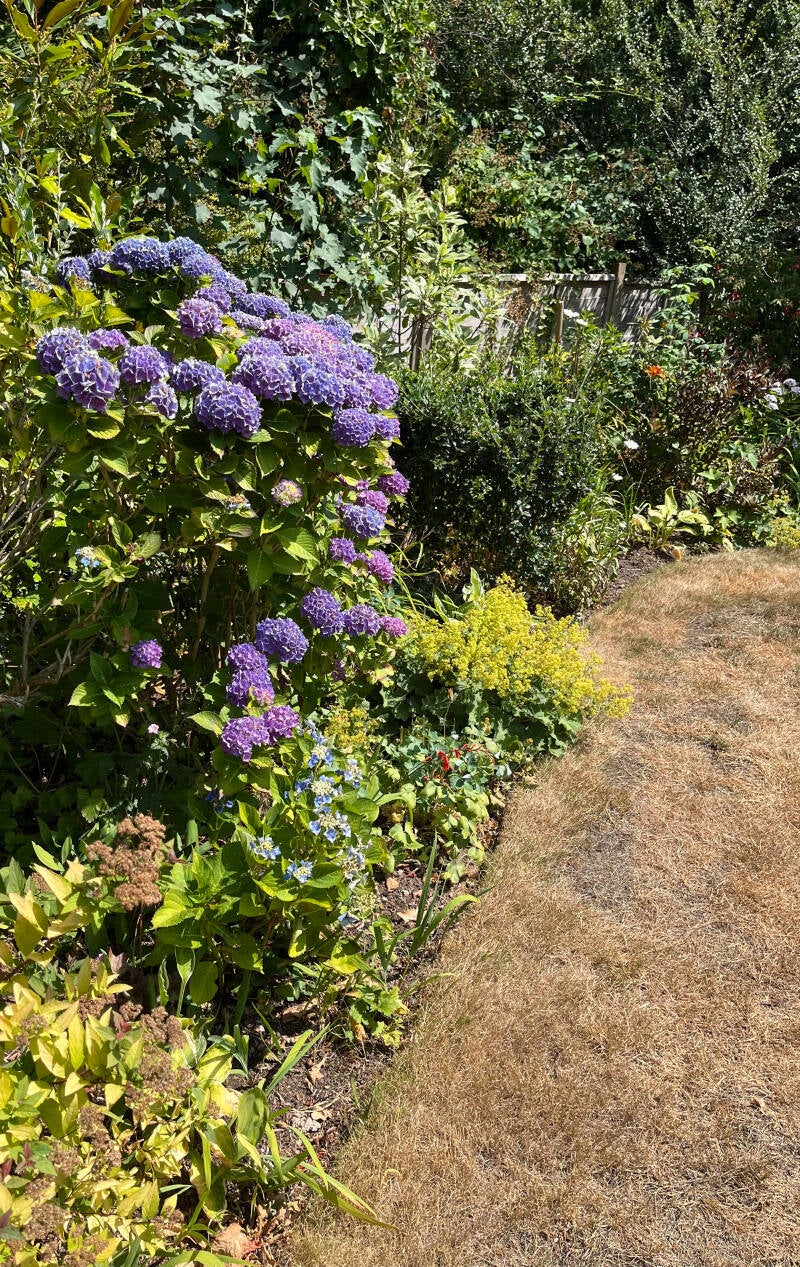
Mulching, improving the soil with organic matter and choosing the right plants for the right place will often make far more difference than endlessly chasing the watering can around the garden.
Mulch is one of the garden's unsung superpowers. It helps lock in precious moisture during dry spells, suppresses weeds naturally, improves soil structure over time and even provides protection against ground frost in winter. A properly mulched garden is far more resilient to whatever the British weather decides to throw at it.
The best time to apply mulch is when there is moisture back in the soil and the dry spell has finally broken. Ideally, gardens benefit from mulching twice a year: in autumn (September to November) to prepare for winter, and again in late winter to spring (February to April) to protect plants through the growing season ahead.
Perhaps the biggest lesson a drought teaches us is that healthy gardens are built over years, not rescued with a hose over a weekend.
Whatever your views on the reasons behind our changing weather patterns, most gardeners would agree that summers are becoming more challenging, with longer dry spells, hotter periods and increasingly unpredictable conditions. The answer is not panic – it is adaptation.
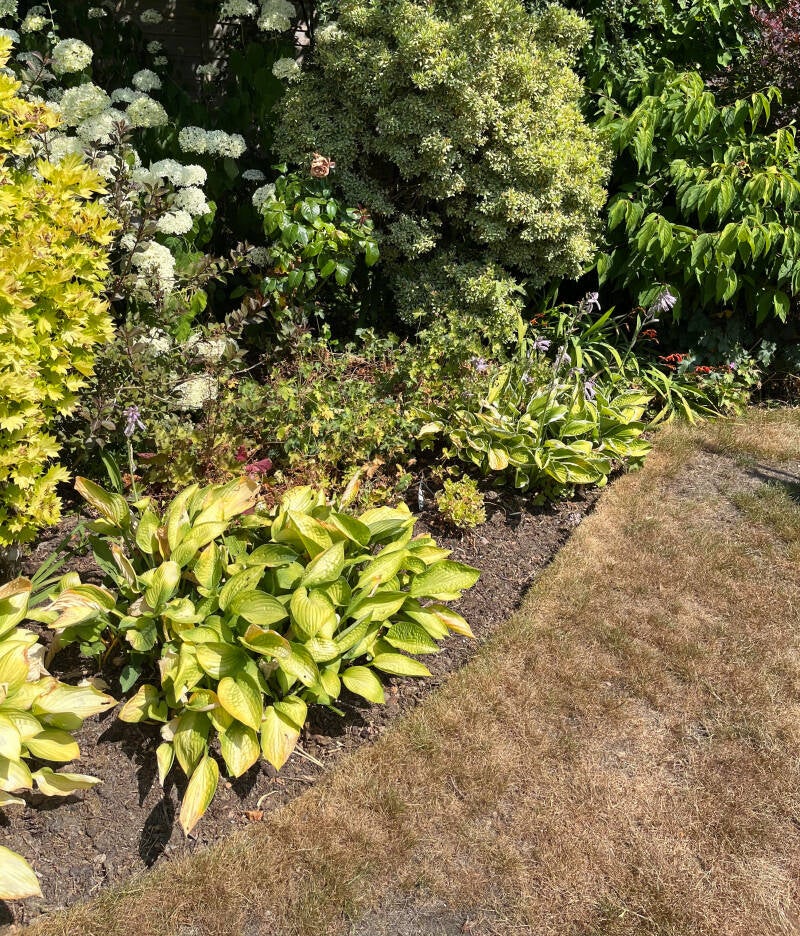
The gardens that cope best are the ones where people have been proactive rather than reactive: improving soil, adding mulch, choosing suitable plants and preparing before the extremes arrive.
Too often, we are called when the damage has already been done – when a garden that needed attention months earlier is now struggling with the consequences. A little forward planning, the right advice and timely action can make the difference between a garden that merely survives and one that continues to thrive.
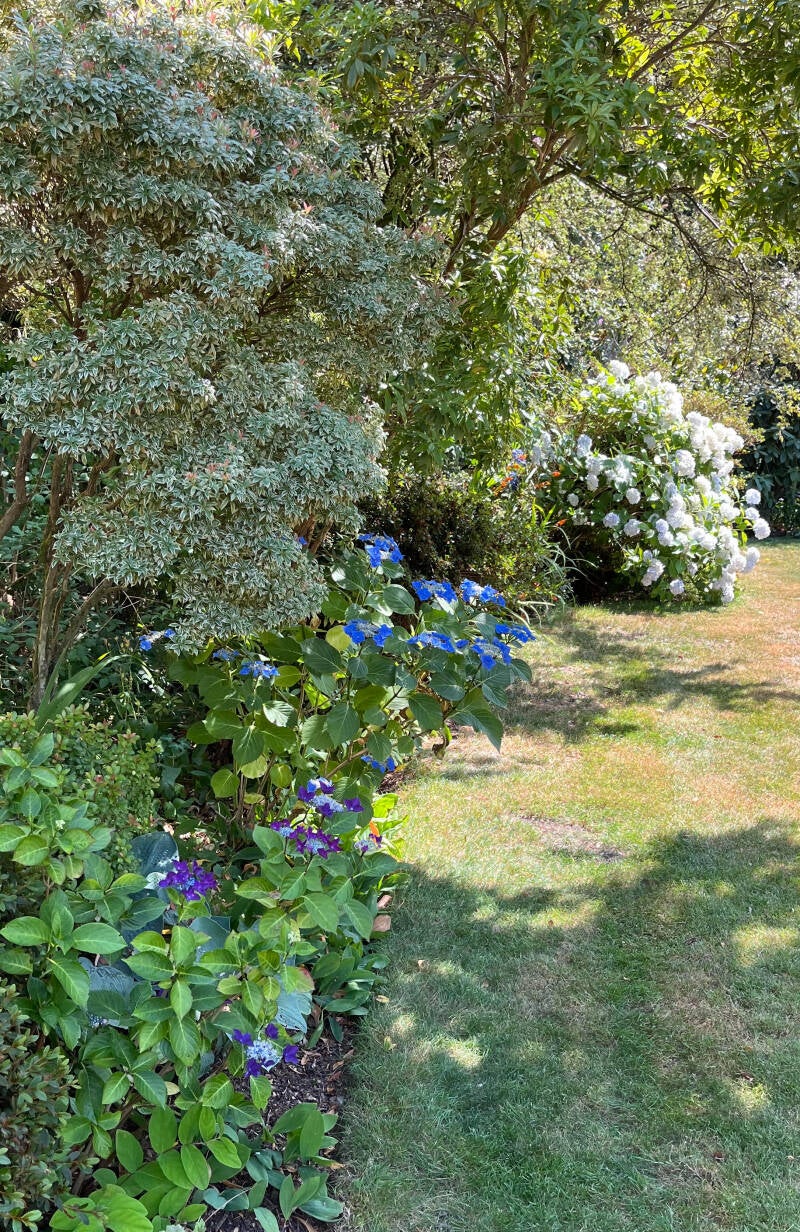
As with most things in life, prevention is usually far easier and more cost-effective than repair. Preparing a garden before problems appear is often simpler, quicker and cheaper than trying to bring it back from the brink once it has suffered months of neglect, drought stress or unsuitable conditions.
The best garden rescue is often the one you never need because the right steps were taken early enough.
Perhaps this is why we are called Garden Rescue. In a perfect world, we would all be called Garden Decorators – arriving once everything is saved, the soil is perfect and all that remains is to plant the pretty bits and admire the results.
Unfortunately, gardens rarely work like that. Like the very meaning of 'utopia' suggests, perfection is something we can aim for but will probably never quite reach. So, for now, we will keep the Garden Rescue name – which is fortunate, as we have already printed the business cards.
The good news is that a garden does not need to be perfect to become fantastic. It just needs the right help, at the right time.
Olli Thomas Garden Rescue
Established locally in 2019, we specialise in rescuing and transforming gardens across Surrey, Hampshire and West Sussex. From complete garden restorations to specialist pruning, lawn renovation and targeted improvement projects, we help gardens reach their full potential.
Website: www.otgardenrescue.co.uk
Email: olli@otgardenrescue.co.uk
Telephone: 07967 995705
Add comment
Comments