


At 7.30 this morning I noticed a couple at Tesco in Haslemere loading 32 bags of compost into their car. Not three. Not twelve. Thirty-two!
After the summer we've had, this seemed less like a spot of weekend gardening and more like stocking up on supplies for the opening move in a counter-offensive.
What with Wednesday's solar eclipse and another record-breaking blast of extraordinary heat yesterday, it feels as though hopefully, this remarkable summer may finally be approaching a watershed (well, one can only hope).
That doesn't mean the drought is over. We could have weeks of dry weather ahead. But we're entering the second half of August and, sooner or later, the weather will change.
The question is whether our gardens will be ready when it does.
Don't Panic Doesn't Mean Do Nothing
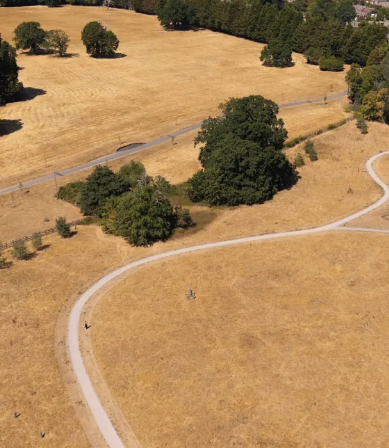
For the past month we've talked about stressed plants, falling leaves and brown lawns. Our advice has broadly been not to panic. Established gardens should be remarkably resilient and indiscriminate watering isn't the answer.
But there are useful things we should do now, and mulching, as we always say, is the most important of all.
After months without rainfall, the ground has ossified. A sudden shower can wet the surface without penetrating the several inches necessary to reach the roots of established plants. On particularly baked ground, water will simply run away.
Weeds have no such problem — many need only a little surface moisture to germinate and get moving. The first rain could therefore produce a magnificent crop of weeds while the plants beneath them remain desperately thirsty.
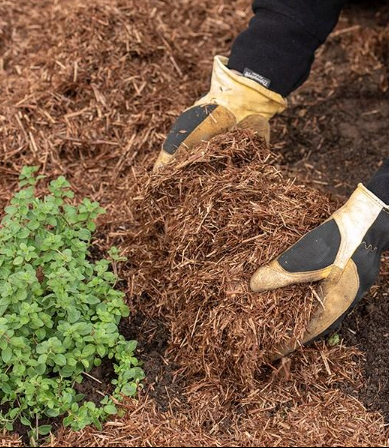
Dry borders should now be thoroughly watered and then covered with a generous layer of organic mulch. This will retain moisture around the roots while gradually improving the structure of the soil and helping to break down that concrete-like crust. Simply digging over bone-dry soil without restoring and protecting the moisture can be worse than doing nothing.
It is a simple intervention which can help recovery begin before the drought has properly ended, while improving the soil and giving the garden a better start next spring.
Not Good at Delayed Gratification? I Want to Make a Prediction…
Preparing the garden for next spring is terribly sensible. But what if, like me, you're not particularly good at delayed gratification and don't want to wait that long?
Well, I want to make a prediction: we're going to get an Indian-summer bloom.
There is some logic behind it. Much of what is growing in our gardens hasn't died this summer — it has simply shut down. Plants have stopped growing, lawns have gone dormant and flowers have given up wasting precious resources on showing off. They've been waiting.
When proper rain finally penetrates the ground, it will meet warm soil, long days and plants that still have time before winter dormancy. Give them gentler external air temperatures, together with available moisture, and many will respond. Lawns will green, fresh growth will appear, while plants that apparently gave up weeks ago will have another go.
But If We Want the Best of It, We Need to Make Room for It
Now is the time to distinguish between what is dormant and what is genuinely dead. Clear away spent and dead material so surviving plants have light, air and space to respond. Leave great quantities of dry vegetation where they are and the first sustained rain will turn much of it into a collapsing wet blanket — just when fresh growth is trying to push through.
Then sort out the soil by getting moisture beneath the baked surface and mulching it to keep it there.
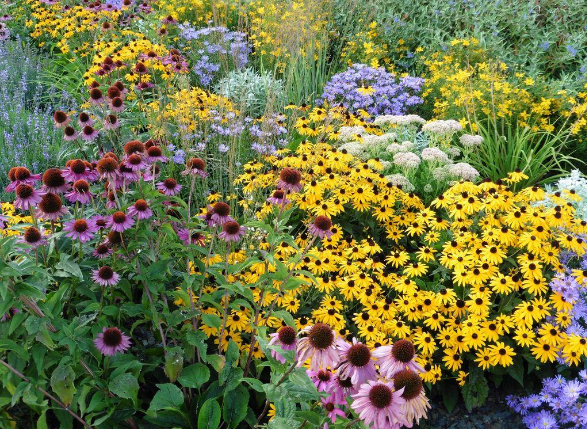
We've spent much of this summer looking at exhausted borders and apparently lifeless lawns and assuming the show is over. I'm predicting that it isn't: prepare the garden now and 2026 could yet give us a final burst of colour before winter brings down the curtain.
Then Everyone Will Want A Gardener
There is another consequence of this peculiar summer. For several months many people have spent little effort or money on their gardens. The drought made major work difficult, the heat made it unpleasant and the summer holidays emptied much of Surrey, Hampshire and West Sussex.
That work hasn't disappeared; it's been postponed, and when people return from holiday, temperatures do fall and rain finally arrives, thousands and thousands of gardens are going to need a lot of attention at roughly the same time. There is going to be much more to do than usual.The best garden companies will become extremely busy very quickly (and — WARNING — so will the cheap-as-chips cowboys — yee-haw!).
September and October are important gardening months anyway, but this year more so than ever.
So if this summer has exposed a bigger problem in your garden, it may well be worth having the conversation now rather than joining the queue once autumn arrives.
The Fightback
As for those 32 bags? Perhaps that's what I actually saw outside Tesco this morning: not two people buying compost, but the first tentative sign that after months of simply enduring this extraordinary summer, some gardeners are beginning to think about what happens next. — and somewhere in Haslemere, the avant-garde, is beginning to march. On y va!
Olli Thomas Garden Rescue
Garden Rescue • Garden Restoration • Fruit Tree Specialists
Surrey • Hampshire • West Sussex

Add comment
Comments