


You have bought the doer-upper. The surveyor has inspected the roof, tested the damp and produced several alarming paragraphs about the electrics. You know roughly what needs doing inside the house.
Then you open the back door.
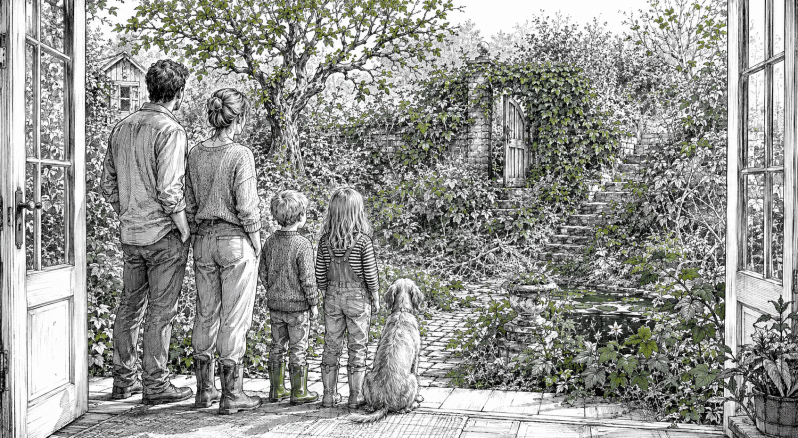
Beyond the first few metres of lawn lies an older garden that has apparently been left to negotiate its own future. Brambles have swallowed the boundaries, ivy has climbed into the trees and something made of brick disappears beneath the laurel. You intend to live here for the next forty years, raise your children here and eventually create a wonderful garden — but first you need to know what you have inherited.
There is something magical about an old garden whose whole story has not yet been told. Overgrown gardens are like palimpsests* — one version written over another, with traces of earlier lives still showing through. Some may be fascinating. Others are things you ought to find before the children or the dog do.
(Need help click here to contact me for a free consultation and quote)
The Garden Beneath the Garden
A dip in the ground may be a filled-in pond. Half-buried bricks might mark an old path or greenhouse. An elderly fruit tree standing in isolation may be the last survivor of a small orchard. Steps can lead nowhere, gates disappear into hedges and substantial pieces of stone emerge precisely where no substantial piece of stone ought to be.
Real garden archaeology exists. Historic gardens are studied through maps, documents, aerial photographs, excavation and the surviving shapes of the land. Banks, hollows and terraces can reveal former boundaries, paths, ponds and flower beds long after the garden itself has changed beyond recognition.
An ordinary Victorian or Edwardian garden may have passed through half a dozen lives: kitchen garden, orchard, formal lawn, wartime vegetable plot, children’s playground, 1970s conifer experiment and, eventually, impenetrable shrubbery.
Each generation removes things, adds things and works around whatever proved too difficult to move. Unpicking those layers could turn a neglected garden into a small adventure: following clues, testing family stories and discovering how other people once lived in the place you now call home.
Sometimes the clues mean something. Sometimes somebody simply buried a wheelbarrow in 1987.
(Need help click here to contact me for a free consultation and quote)
What Else Lives There?
Curiosity is only half the reason for understanding an inaccessible garden. Before deciding what should be cleared, it is worth discovering who already shares it with you.
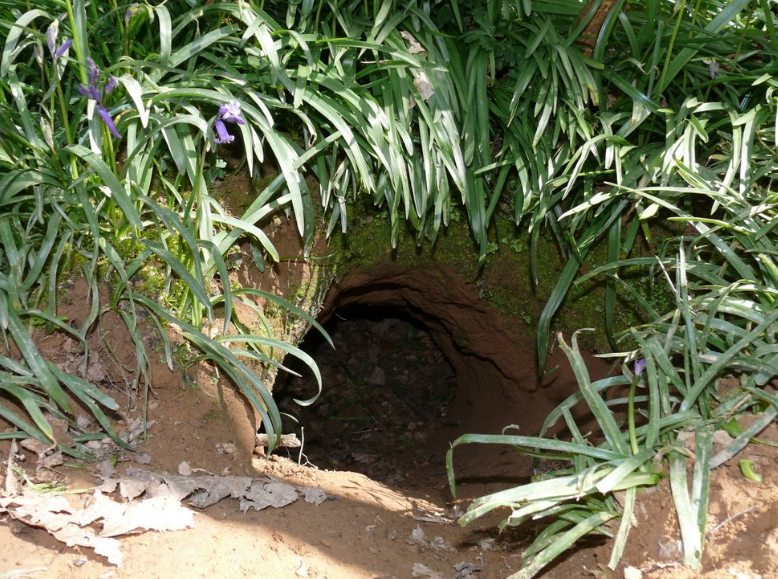
An undisturbed bank might contain a badger sett worthy of The Wind in the Willows. A hollow beneath an old shed could be a fox earth with distinct Fantastic Mr Fox possibilities. Rabbit warrens, deer tracks and concealed routes through hedges can reveal an entirely different garden from the one visible from the kitchen window.
There may even be fairies. No responsible investigation should guarantee them, but neither should it rule them out before looking properly.
These discoveries matter because clearing an overgrown garden without understanding what lives there could destroy established homes and routes. They also add another chapter to the story of the place. For children, finding out that badgers cross the lawn after dark or that rabbits live beyond the old wall could transform a forbidding wilderness into their own Watership Down or a nice version of Bambi.
There may be less enchanting discoveries too. Old wells and cisterns may have been covered rather than properly filled. Vegetation can conceal unstable ground, broken glass, sharp metal, collapsing walls and rotten structures. For pets, concerns might include insecure boundaries, deep water, hidden holes and plants or discarded materials best discovered before chewing them becomes the chosen method of investigation.
This does not mean that every overgrown garden contains a Victorian well, Mr Fox and an unauthorised fairy settlement behind the rhododendron. The mystery lies in not knowing which story the garden will tell until somebody looks.
No sensible investigation could certify an entire garden as safe or provide a complete wildlife survey. It could identify less than obvious concerns, flag anything requiring specialist attention and help a family decide which areas can be used, which need work and which should remain undisturbed or out of bounds.
(Need help click here to contact me for a free consultation and quote)
Clear It to Understand It
The largest tree is not necessarily the oldest. An ancient-looking wall may be relatively recent, while the mysterious structure behind the shed may turn out to just be three paving slabs and an overly hopeful, optimistic imagination.
This is where horticultural knowledge matters. Planting can reveal an old boundary, a vanished path, a former entrance or the remains of an orchard. Equally, a great mass of mature-looking vegetation may consist largely of recent self-seeded growth.
Sending in a clearance crew risks destroying the evidence — and the habitat — before anybody has understood either. The better principle would be: clear it to understand it, not clear it simply to make it disappear.
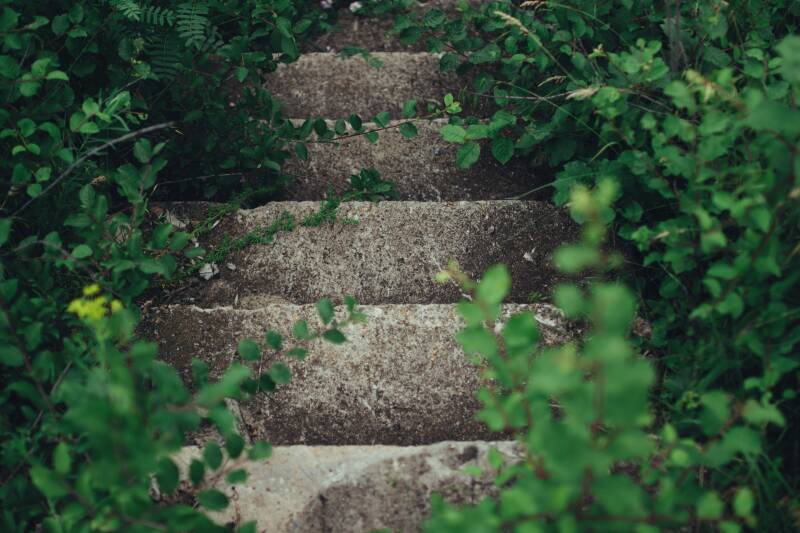
That might mean tracing a buried path, exposing enough brickwork to understand its shape, identifying significant plants and photographing discoveries before deciding what happens next. Some things would be kept, others rescued or investigated, and plenty removed without the National Trust assembling an emergency committee.
The result might establish that the fruit trees are worth saving, the sunken area was once a pond, badgers use the rear boundary and the ‘ancient’ laurel is neither ancient nor helpful. More importantly, it would give the owners the beginnings of their garden’s story before they write its next chapter.
(Need help click here to contact me for a free consultation and quote)
What Should We Call It?
Could this become a new kind of Olli Thomas Garden Rescue project: a concentrated investigation of an older, neglected garden, followed by a photographic report covering what was found, who lives there, the stories and mysteries it revealed, what appears worth retaining, any obvious safety or security concerns and what should happen next?
It would not be academic archaeology, an ecological or structural survey, or a guarantee that every possible danger or species had been found. It would sit somewhere between garden assessment, physical investigation and detective work.
Would you want somebody to investigate an overgrown garden when you moved into your long-term home? Would its hidden features, significant plants, wildlife, visible hazards and unexplained mysteries be worth understanding before you changed it?
And what should such an investigation be called?
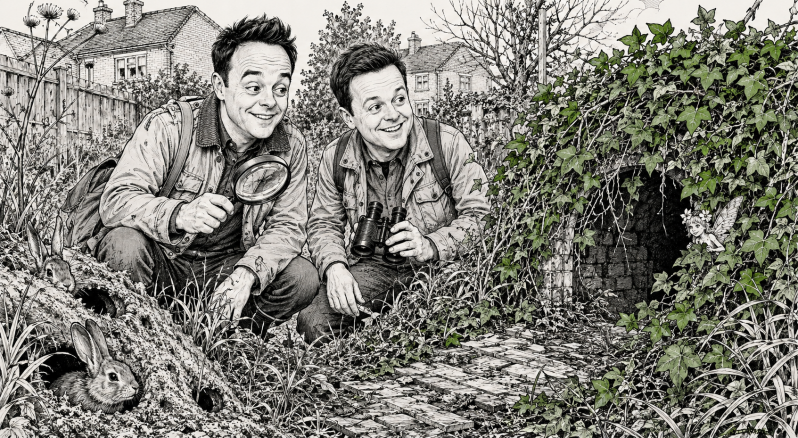
Garden Archaeology explains it immediately, but sounds rather more academic and trowel-based than intended. Garden Discovery is accurate, but perhaps slightly polite. Garden Detective sounds like something Ant & Dec should present on Saturday evenings.
So over to you. What would you call it — and would you want the adventure of discovering it in your garden?
* A palimpsest was originally a manuscript whose earlier writing had been removed so the surface could be reused, while traces of the original remained.
(Need help click here to contact me for a free consultation and quote)
Add comment
Comments