

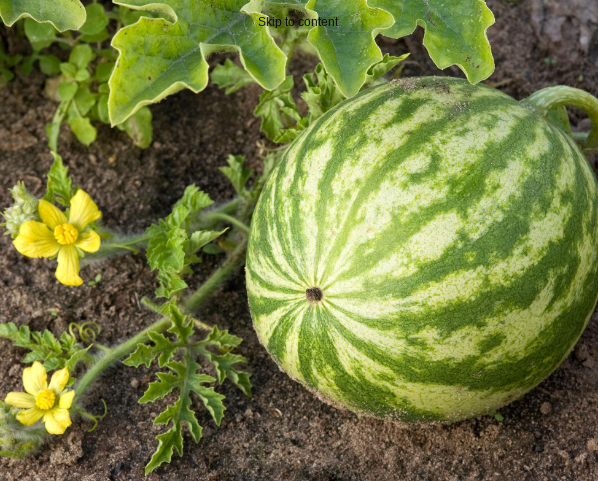
Last year, anybody claiming to have grown a watermelon in their back garden would have been met with suspicion. Where exactly was this ‘garden’? Surrey or Senegal? Was there photographic evidence? Had the fruit been observed growing or merely placed beneath a leaf shortly before witnesses arrived?
This year, it appears perfectly plausible.
After months of exceptional heat, relentless watering and the gradual transformation of southern England into something resembling a Ryvita, the Guardian reported this week that an allotment holder near Bristol has successfully grown watermelons. Not in an experimental desert research station or the Eden Project, but on an English allotment.
This raises an important local question: did anybody manage it here?

The Summer Everything Changed Places
For many vegetable growers, 2026 has been absolutely dreadful. Peas, potatoes, beetroot and salad leaves have struggled; water butts emptied; courgette gluts became courgette light refreshments; and watering the allotment began to resemble compulsory military training.
Yet some of the crops we normally regard as faintly ridiculous British experiments have apparently had the time of their lives.
The Bristol grower reported unusually early tomatoes, her largest sweet potatoes in five years, cantaloupes for the first time and, most remarkably, actual watermelons. Plants ordinarily associated with considerably less drizzle and considerably more beach appear to have prospered while traditional allotment crops quietly packed up and left.
There is something rather wonderful—and slightly alarming—about standing on a scorched English lawn eating a home-grown watermelon while observing that none of the runner beans survived.

Britain’s Forgotten Melon Industry
Growing melons in Britain is not actually a new eccentricity. Wealthy estates were doing it centuries ago in specially constructed melon pits and houses. Historic records include ‘melon glasses’ in early eighteenth-century gardens, while later melon pits were sometimes heated from underneath by fermenting manure.
This means a Georgian gardener could produce melons in England using brickwork, glass, horse muck and an apparently unlimited supply of staff. We have simply spent the intervening centuries making the process rather less complicated.
The difference in 2026 is that some growers may have produced them without a boiler, a dedicated melon house or a small agricultural workforce—just sunshine, water and the increasingly reasonable suspicion that our weather has gone completely rogue.
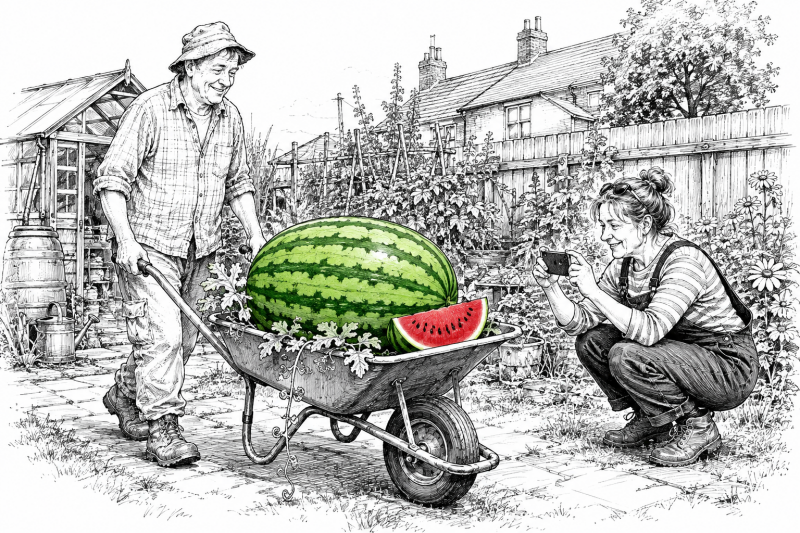
The Great Local Melon Hunt
So, we need evidence.
Did you attempt watermelons, cantaloupes or anything else vaguely tropical this year? Did you produce magnificent fruit, one promising green marble or seventeen feet of vine and a profound sense of disappointment?
Perhaps your tomatoes ripened absurdly early. Maybe your chillies, aubergines, grapes or sweet potatoes behaved as though they had been waiting their entire lives for this particular summer. Or perhaps everything died while you stood beside an empty water butt questioning all the decisions that had brought you there.
Whatever happened, please tell us—and photographs are strongly encouraged. We would love to discover whether the Great British Watermelon has reached Surrey, Hampshire or Sussex, or whether Bristol remains an isolated pocket of advanced melon civilisation.
If somebody has genuinely grown one in Haslemere, I think the people have a right to know.
Add comment
Comments
Hi, I grew three watermelons this year, two more than last year! I’m
In Haslemere.