

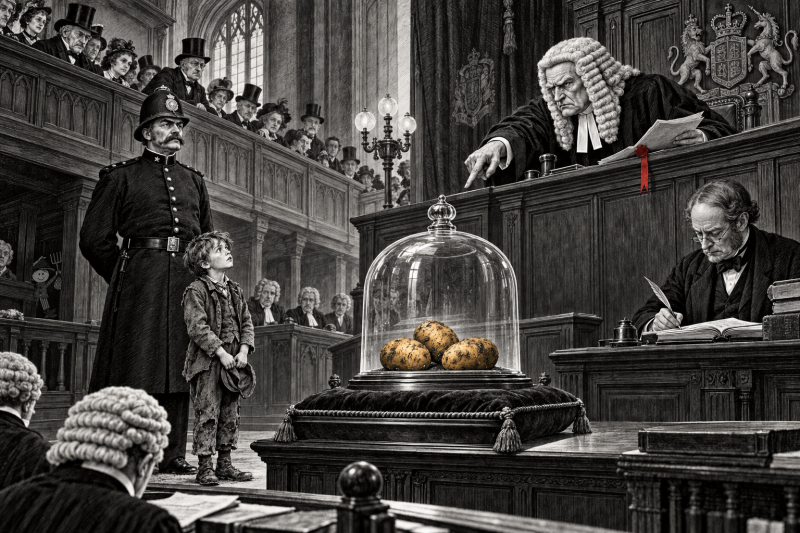
If the allotment rules were elaborate to the point of extreme — the punishments were worse.
For centuries, Britain treated the theft of vegetables, fruit and eggs not as a minor misdemeanour but as a
serious assault upon property, food security and public order. The value of the stolen produce would today be
considered almost nothing — the level of power that the State responded with back then, definitely would not.
Small children were birched.
If they were lucky, adults were sent to hard labour. Potato thieves were transported and at least one man was sentenced to death by hanging.
The allotment may have occupied only forty poles — Criminal law respected no such limits.
Five Boys, Some Eggs and a Birch
Five boys, aged between approximately ten and thirteen, were accused of stealing hens’ eggs from allotment ground.
The eggs were valued at threepence — roughly £1 today (imagine eggs, plural, for £1, now that is criminal).
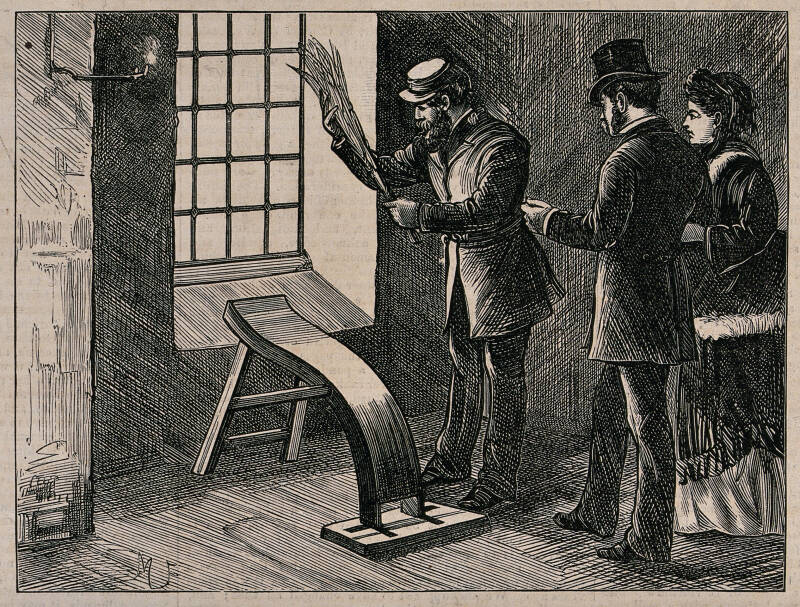
Four of the boys were reportedly sentenced to six strokes of the birch. The picture shows the device they would be strapped to — purposely next to the window 'pour encourager les autres'*.
Nothing needs to be added. The offence was the theft of a few eggs — the response was to have children beaten by the State. In comparison, it is difficult to think what 'punishment', if any, would be assigned to a similar misdemeanour today.
The same moral theory had helped to create allotments sat alongside a legal culture in which petty theft (even out of necessity) was treated as evidence of a developing criminal character. Punishment answered not only the offence but the adult the authorities feared he might become — Minority Report anyone?
From a modern point of view there is a stark contradiction between the self proclaimed, superior morality — that gave the labourer a garden so that he might become industrious, sober and respectable — then catches his child taking threepence-worth of eggs, and believes respectability should be restored with gratuitous violence.
The allotment aimed to cultivate character — so it seems did the birch.
*a punishment or sacrifice, to mean as an example to others — thought to originate in Voltaire's 'Candide'.
The Case of the Unmistakable Marrow
Vegetable crime presented an obvious difficulty: identification of stolen goods.
A stolen watch might carry a maker’s name or serial number. A stolen marrow generally looked like any other marrow — and obviously looked somewhat different after a week in a police evidence bag.
One prosecution however involved missing vegetables that were said to have a 'peculiar and recognisable shape'. Their owner could apparently identify them — yes this does sound tenuous in the extreme. The marrows themselves became state evidence.
The two stolen marrows reportedly resulted in two months hard labour for the unlucky accused.
An ordinary vegetable had become the horticultural equivalent of a stolen masterpiece. Its unusual proportions gave it away. Somewhere between the allotment and the courtroom, the accused discovered that he had chosen the wrong marrows. NB to self — only steal generic looking vegetables, wonky veg will not do.
Stolen broccoli could also attract serious investigation. Detectives who might have been expected to pursue burglars or violent criminals instead found themselves tracing brassicas — sound familiar?
Seven Years for Stealing Potatoes
Potatoes were different — you can't make chips out of eggs (as the famous saying goes) after all.
They were also property but stealing them seemed to warrant a punishment even more wildly out of proportion to their value.
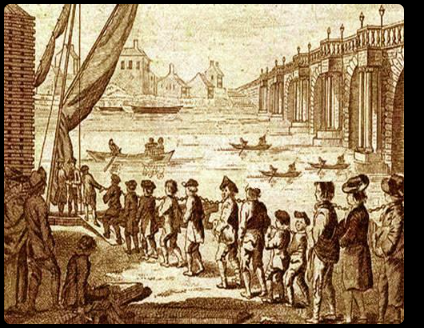
Nineteenth-century courts repeatedly sentenced potato thieves to transportation. Stealing food from a field could lead not merely to prison but to removal from Britain altogether.
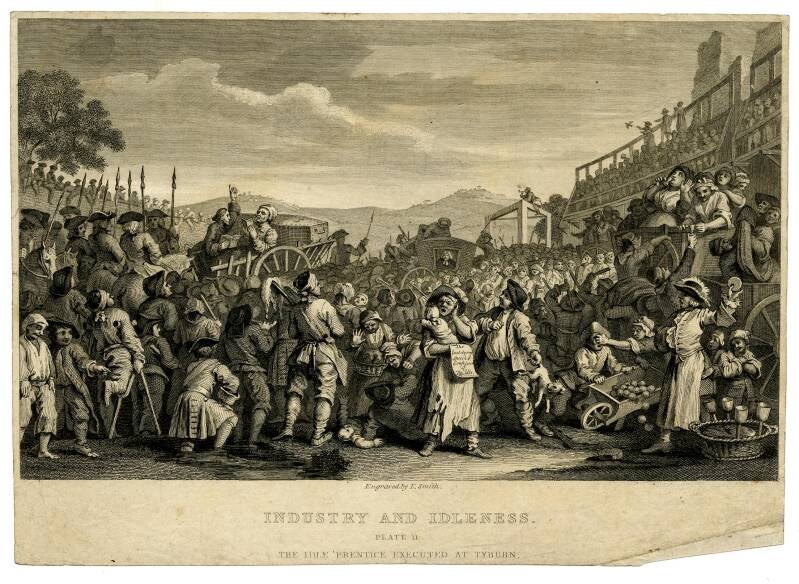
Sentenced to Death for Stealing Potatoes
John Rowley was sentenced to death for potato theft.
He was not actually executed for it. The capital sentence was recorded; he was later hanged for the separate offence of arson. (The scallywag! Or potentially a BBQ gone very, very wrong).
Joking aside, the distinction does matter as the fact is astonishing enough without turning it into something untrue — a court could actually place potato theft within a process capable of producing a sentence of death.
A society that seemingly treasured morality above all else, resulted in the vegetable patch becoming connected with the ultimate sanction available to the State — it is beyond comprehension in the 21st century — the object at the centre of the case remained — a potato.
One Foot On, One Foot Off
By the Second World War, allotments had through necessity been integrated into national food production. The number of allotments was staggering, numbering in their millions, their crops mattered, and wartime shortages made pilfering more serious.
In 1943 Parliament considered stronger measures against people entering cultivated land to steal or damage produce.
To our combined surprise, this prompted one MP to ask — ''What exactly is an allotment?'' — oh God — not this again — (Facepalm) — back to square one — sobbing.
The law apparently needed to distinguish a thief entering cultivated ground from an ordinary walker using a path. MPs worried that innocent people might fall under suspicion merely because of where they placed their feet — I would have thought a big sack of stolen potatoes might be a better indicator but why be so damned obvious?
MPs apparently needed to consider — what if a path ran beside an allotment? What if somebody stood with one foot on the path and the other on cultivated land? At what precise point did a pedestrian become a suspected vegetable thief? It really is more MP than Monty Python.
One foot was lawful, one foot was criminal it was all utterly meaningless — at no point did anyone seemingly point out that the largest war in human history was on-going just outside the window, so perhaps there were more pressing issues to discuss.
During the debate, one MP, no doubt believing himself to be hilariously original, compared the allotment yet again to an elephant — difficult to define, but recognisable when seen — Yes very clever, was that Southwark that just exploded?
This was intended to solve the problem — obviously it did not.
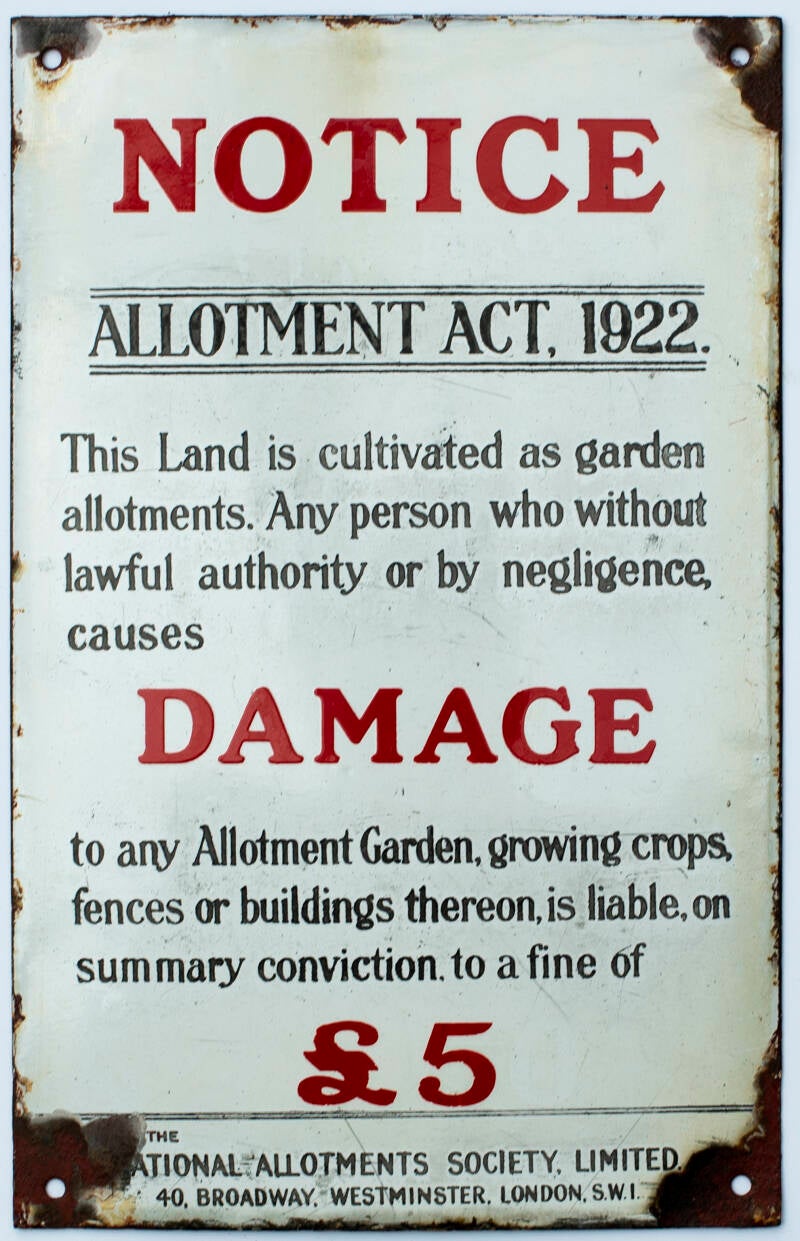
Rules and warning notices followed, but enforcement created its own difficulties. Notices intended to discourage theft were often defaced or stolen. The State was attempting to prevent the removal of vegetables using signs that people kept pinching — and their great-grandkids are still selling them — there is a less well preserved version of the sign shown currently selling on etsy for £183.60 Inc postage if you are interested.
Children had been birched over eggs. Marrow thieves had received hard labour. Potato thieves had been transported. A sentence of death had been recorded.
None of it ended the arguments, the trespass or the theft and whilst the Luftwaffe flattened our cities, the nation's leaders were back, once again, to talking about growing vegetables on elephants.
Add comment
Comments